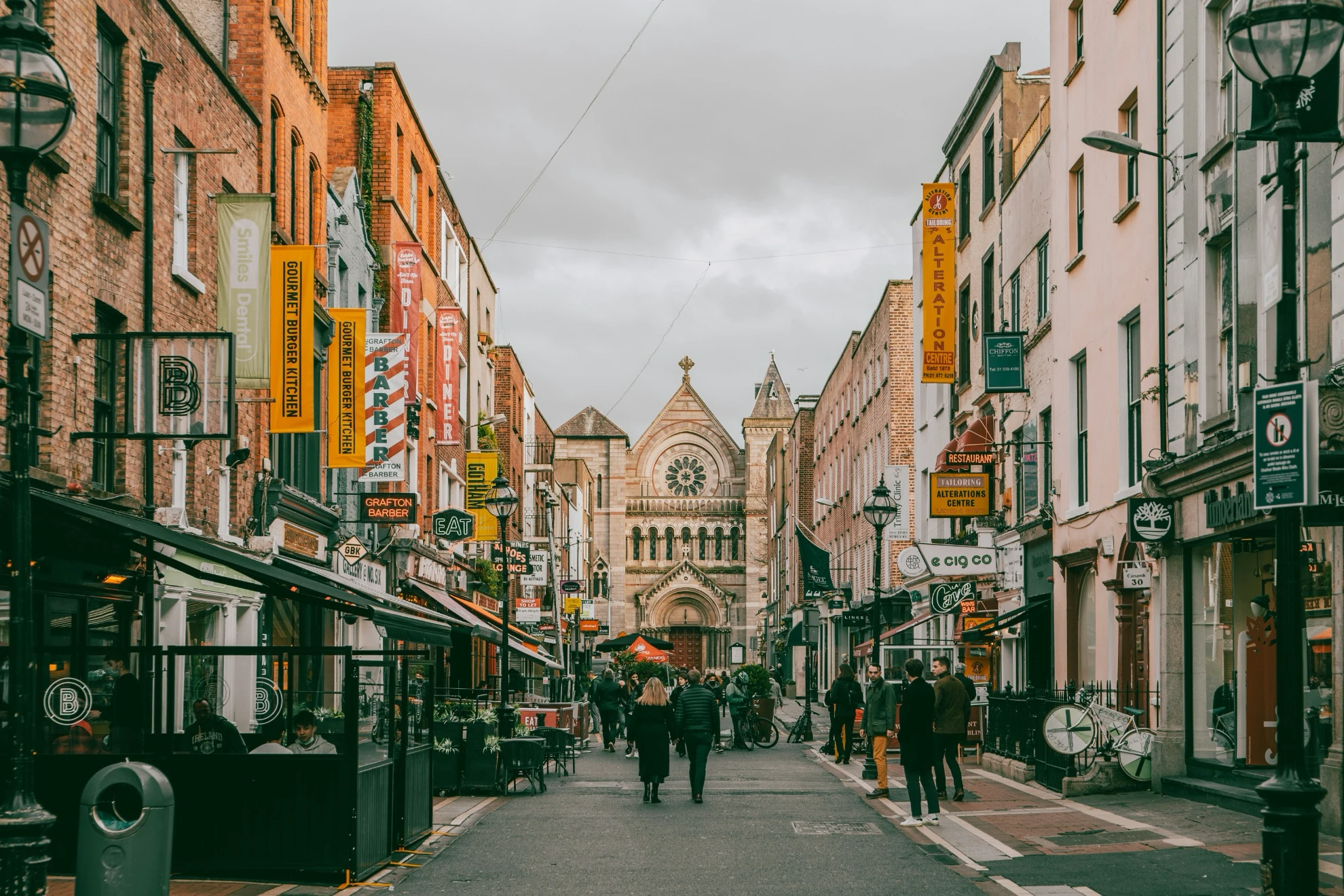
Ireland is an excellent choice for Ghanaian students — familiar Commonwealth-style education, English as the national language, and a thriving tech and pharma economy. WASSCE is accepted at Irish universities, tuition is lower than the UK, and the Third Level Graduate Scheme lets you stay and work for 2 years after completing your degree.
No universities match your filters. Try adjusting your search.
Why Study in Ireland as a Ghana Student?
🇮🇪
English-Speaking, Commonwealth-Aligned Education
Ireland's higher education system follows British-style academic structures — familiar to Ghanaian students. Degrees are internationally recognised, and the Irish English accent and culture make integration easy for Ghanaian students who have studied in English their entire lives.
💻
Europe's Tech Hub: Top Employer Access
Google, Meta, Apple, Microsoft and LinkedIn all have their European headquarters in Dublin. Irish tech degrees — especially Computer Science, Data Analytics and Engineering — open doors to careers at these global companies. For Ghanaian tech graduates, Ireland is arguably the best European launchpad.
💰
Lower Tuition & Cost of Living Than UK
Irish tuition for international students (€10,000–€25,000/yr) is significantly less than UK equivalents. Outside Dublin, cities like Cork, Limerick and Galway offer even lower living costs with strong university options.
🛂
2-Year Post-Study Work Permission
Ireland's Third Level Graduate Scheme allows non-EEA graduates to remain in Ireland for 2 years to seek employment. With Ghana's growing ties to Irish pharma and tech sectors, this is a strong platform for Ghanaian graduates targeting European careers.
📋
How Ghana Qualifications Are Recognised in Ireland
WASSCE (same WAEC board as Nigeria) is accepted at Irish universities as secondary qualifications equivalent to Irish Leaving Certificate results. No national service certificate is required from Ghanaian applicants. Ghanaian bachelor's degrees are well recognised at Irish graduate level — minimum 2:1 (3.0/4.0 GPA) is standard for Masters entry. Foundation Year is typically required for undergraduate applications.
Frequently Asked Questions
Studying in Ireland from Ghana
Is WASSCE accepted at Irish universities?
Yes. WASSCE results are accepted as secondary school qualifications at Irish universities. You need a minimum of 5 credits including English and Mathematics. The assessment process is similar to the UK — Irish admissions teams are familiar with the WAEC/WASSCE grading system.
Do Ghanaian students need a Foundation Year for Irish undergraduate study?
In most cases, yes. WASSCE is equivalent to Junior Certificate / O-level level, not the Irish Leaving Certificate. A Foundation Year is therefore required before starting a standard undergraduate degree. Some universities offer International Foundation programmes specifically designed for West African students.
What is the Irish student visa refusal rate for Ghanaians?
Ghana has a moderate refusal rate for Irish Study Visas. The main reasons for refusal are insufficient funds evidence, weak ties to Ghana, and incomplete documentation. You need to show at least €7,000 for your first year (ideally more). Strong academic credentials and a clear study plan improve outcomes significantly.
What are the best scholarships for Ghanaian students in Ireland?
Key options include: Government of Ireland International Education Scholarships (100 places annually, open to Ghanaians), individual university scholarships, and the Chevening Scholarships which can be used at Irish universities in some cases. Many Irish universities also offer merit-based international student discounts.
Can Ghanaian graduates stay and work in Ireland after their degree?
Yes. The Third Level Graduate Scheme allows graduates of Irish universities to stay for 2 years (1 year for lower-level qualifications) to seek employment. After finding qualifying employment, you can apply for an Irish work permit or Critical Skills Employment Permit, which is the main pathway to longer-term residence.